Modern Drone Applications Enhancing Agricultural Efficiency
Introduction to Drone Use in Agriculture
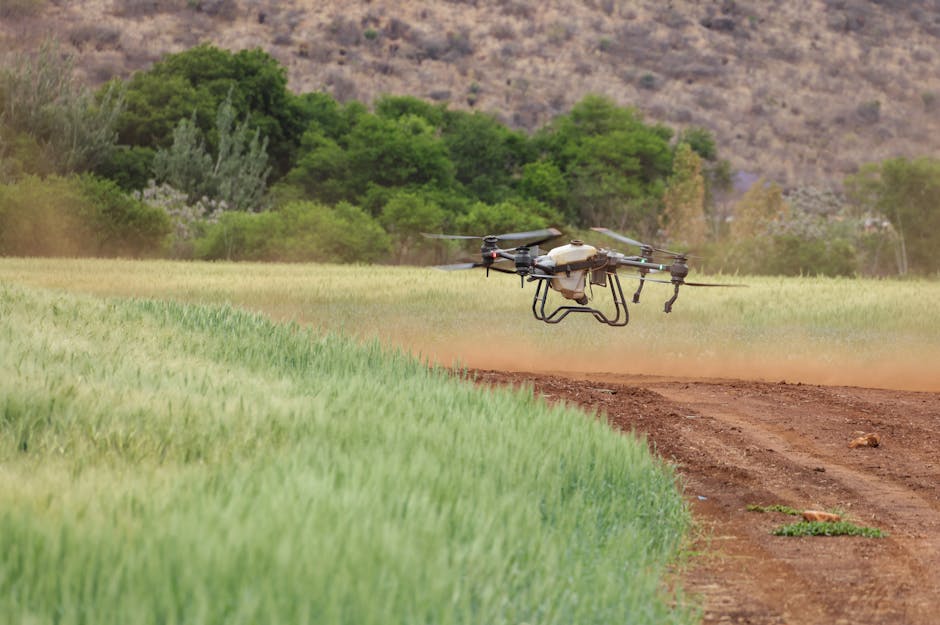
In recent years, the integration of advanced technology in farming has revolutionized traditional agricultural practices. Among these technologies, drone use in agriculture has emerged as a pivotal innovation, significantly enhancing crop monitoring, resource management, and overall productivity. Drones, also known as unmanned aerial vehicles (UAVs), provide farmers with real-time data and precision interventions that were previously unattainable through conventional methods.
Types of Drones and Their Roles in Agriculture
Understanding the distinction between UAV vs drone is essential in grasping their applications in agriculture. Although often used interchangeably, UAV refers specifically to the unmanned aerial vehicle itself, whereas a drone can describe any remotely controlled or autonomous aircraft. In agriculture, commercial drones equipped with specialized sensors and cameras are designed to perform a variety of tasks, including surveillance and inspection.
- Surveillance drones: These drones monitor large areas of farmland from above, capturing high-resolution images to assess crop health, identify pest infestations, and detect irrigation issues.
- Drone inspection: Beyond crops, drones inspect field infrastructure such as irrigation systems, fences, and storage facilities, ensuring operational efficiency and timely maintenance.
- Drone utility inspection: This application includes checking power lines and pipelines that run through agricultural lands, preventing potential hazards that could disrupt farming activities.
Enhancing Crop Management Through Precision Agriculture
Drones equip farmers with precision agriculture capabilities by providing detailed, actionable insights. Multispectral and thermal cameras capture data that can diagnose plant stress, nutrient deficiencies, and water distribution patterns. With this information, farmers can apply fertilizers, pesticides, and water precisely where needed, minimizing waste and environmental impact.
This precision reduces input costs and increases crop yields, contributing to sustainable farming practices. Additionally, drone-collected data helps in early detection of diseases and pest outbreaks, enabling prompt intervention and reducing crop losses.
Security and Surveillance in Agricultural Settings
Beyond crop monitoring, drone security has become an essential aspect of protecting agricultural assets. Farms often span vast and remote areas, making them vulnerable to theft, vandalism, and wildlife intrusion. Drones equipped with night-vision cameras and real-time transmission capabilities provide continuous aerial surveillance, enhancing the security infrastructure without requiring extensive human patrols.
This integration of drone security helps in safeguarding expensive equipment, livestock, and harvested produce, further supporting the financial stability of farming operations.
Challenges and Future Prospects of Drones in Agriculture
Despite the numerous benefits, several challenges remain in widespread adoption of drone technology in agriculture. Regulatory restrictions, initial investment costs, and the need for specialized training can limit accessibility for smaller farms. However, ongoing advancements in drone technology, including improved battery life, AI-driven analytics, and user-friendly interfaces, are gradually overcoming these barriers.
Looking ahead, the role of drones in agriculture is expected to expand, integrating with other smart farming technologies such as IoT sensors and autonomous machinery. This convergence will drive even greater efficiencies and sustainability in food production systems worldwide.
Innovating Agriculture with Aerial Technology
Modern drone applications are transforming agriculture by enabling precise, efficient, and sustainable farming practices. From surveillance drone capabilities to drone inspection of critical infrastructure, these technologies provide invaluable data and security enhancements. As drone technology continues to evolve, its integration into agricultural workflows promises to redefine how food is grown and managed, ensuring better yields and resource conservation for future generations.